Realistic Chocolates Tasty Graphics 05
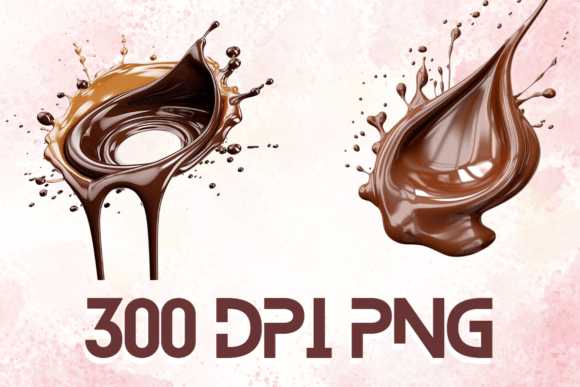
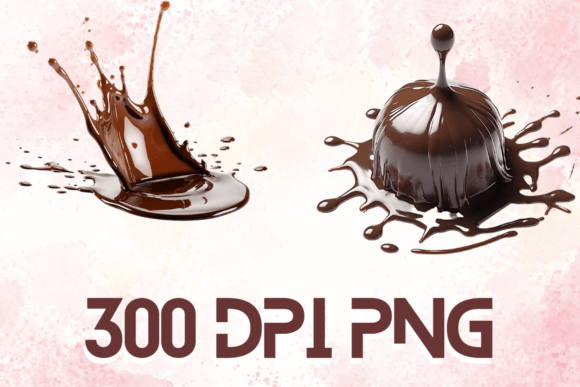
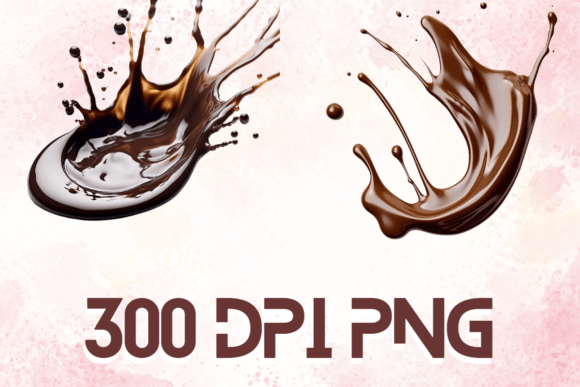
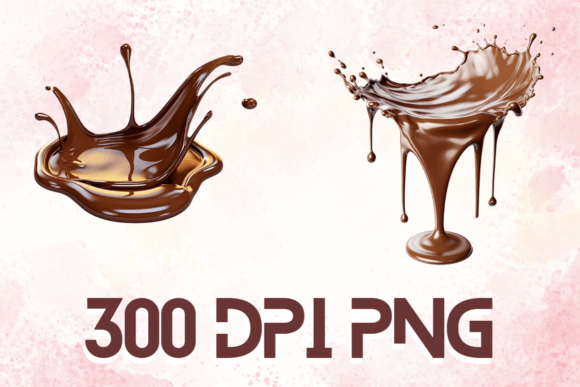
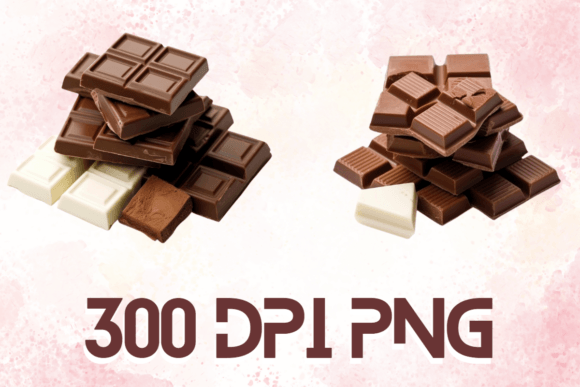
Visual appeal is often the first step in capturing attention, especially when it comes to food marketing. There is a distinct psychological response triggered by images of rich, velvety chocolate that goes beyond simple hunger; it evokes comfort, indulgence, and sensory anticipation. This is precisely why Realistic Chocolates Tasty Graphics 05 has become a valuable asset for designers, marketers, and content creators looking to elevate their visual storytelling. It is not merely a collection of pictures; it is a curated set of high-fidelity assets designed to bring a touch of decadence to any project.
However, simply downloading a graphic does not guarantee a professional result. Many users overlook the technical nuances of using high-resolution assets, leading to blurry outputs or mismatched aesthetics. Understanding the specific features of this realistic chocolate set—such as its 300 dpi resolution, transparent background, and substantial dimensions—is crucial for integrating it seamlessly into your workflow. Below, we break down what makes this asset pack stand out and how to use it effectively while avoiding common pitfalls.
Understanding the Technical Specifications
Before diving into design applications, it is essential to grasp the technical foundation of Realistic Chocolates Tasty Graphics 05. The set includes three distinct 3D chocolate illustrations, each rendered with meticulous attention to detail. The files are provided in PNG format, which is the industry standard for graphics requiring transparency. This means you can place these chocolates over dark backgrounds, textured papers, or complex layouts without dealing with unsightly white boxes surrounding the subject.
The resolution is a critical factor here. At 300 dpi (dots per inch), these images are print-ready. This specification ensures that whether you are designing a small business card or a large-scale billboard, the edges remain crisp and the texture of the chocolate remains visible. For digital-only projects, this high resolution might seem excessive, but it future-proofs your designs. If you ever decide to pivot from digital ads to printed packaging, you will not need to source new assets or compromise on quality.
Furthermore, the size of each image is 3200x3200 pixels. This square aspect ratio provides ample flexibility for cropping and scaling. You can zoom in to highlight the glossy sheen of a chocolate splash or pull back to show the entire confection within a larger composition. However, working with such high-resolution files requires adequate hardware performance. Ensure your computer has sufficient RAM and processing power to handle these files without lag during editing.
Common Mistakes When Using High-Res Food Graphics
Even with premium assets like Realistic Chocolates Tasty Graphics 05, errors in application can undermine the final presentation. One frequent mistake is ignoring color management. Chocolate has warm, deep tones ranging from dark brown to golden caramel. If your workspace color profile is not set correctly (e.g., using sRGB for web vs. CMYK for print), the colors may appear dull or shifted in the final output. Always verify your color settings before exporting.
Another overlooked detail is the lighting consistency. These 3D renders come with pre-defined lighting to create realistic shadows and highlights. A common error is placing the chocolate graphic onto a background that has conflicting light sources. For instance, if your background image has light coming from the left, but the chocolate graphic appears to be lit from the right, the result will look artificial and "stuck on." To avoid this, take time to match the ambient lighting of your background with the directionality of the chocolate’s illumination. Adjusting brightness and contrast slightly can help blend the elements more naturally.
Additionally, some users attempt to stretch or distort the PNGs to fit awkward spaces. Because these are raster images, stretching them beyond their original proportions will result in pixelation and loss of clarity. Instead of distorting the image, resize it proportionally or crop it to focus on the most appetizing parts of the design. If you need a different shape, consider using vector-based tools to create containers or frames that complement the roundness of the chocolates rather than forcing the graphic into an unnatural form.
Integrating Decadence into Your Projects
The true power of Realistic Chocolates Tasty Graphics 05 lies in its ability to add emotional weight to a design. Whether you are a blogger writing about dessert recipes, a freelancer creating branding for a boutique bakery, or an educator preparing materials for a nutrition class, these graphics serve as powerful visual anchors. They are perfect for prints, packaging, and culinary creations because they mimic the mouthwatering reality of fresh, rich chocolate.
- Packaging Design: Use the transparent PNGs to overlay on mockups of boxes or bags. The high resolution ensures that even fine details, like cocoa powder dusting or chocolate drizzle textures, are visible at close range.
- Social Media Content: Create eye-catching posts for Instagram or Pinterest. The 3200x3200px size allows you to crop perfectly for square formats while retaining enough data for high-quality display on retina screens.
- Educational Materials: For educators teaching about food science or sensory evaluation, these realistic graphics provide accurate visual references without the logistical challenges of photographing actual food, which can melt or spoil quickly.
What to Check Before You Start
To ensure you get the most out of this asset pack, perform a few quick checks before beginning your project. First, inspect the layers and file integrity. While these are PNGs, ensuring the file is not corrupted upon download is vital. Open the file in your preferred editing software to confirm that the transparent background is indeed transparent and that no hidden artifacts exist.
Secondly, consider your target audience. Are you targeting luxury consumers who appreciate minimalist elegance, or are you aiming for a playful, vibrant demographic? The rich and velvety chocolate splashes in this set can be adapted to both styles, but the surrounding typography and layout choices should align with the brand voice. For a luxury feel, pair the chocolate graphics with serif fonts and ample negative space. For a fun, energetic vibe, combine them with bold sans-serif fonts and bright, contrasting colors.
Finally, think about the narrative. Why are you using these chocolates? Is it to evoke nostalgia, to signal a treat, or to represent richness? Let your creativity melt with these tantalizing illustrations by ensuring every visual element supports that core message. Avoid cluttering the design with too many competing elements; let the chocolate be the star. By respecting the quality of the asset and applying thoughtful design principles, you can create visuals that not only look professional but also resonate deeply with your audience.
In summary, Realistic Chocolates Tasty Graphics 05 offers a sophisticated solution for anyone needing high-quality food imagery. By understanding its technical specifications, avoiding common integration errors, and applying strategic design choices, you can unlock its full potential. Whether you are enhancing a website, designing packaging, or creating social media content, these delectable and mouthwatering designs will help awaken your senses and those of your viewers, adding a touch of temptation that drives engagement and satisfaction.