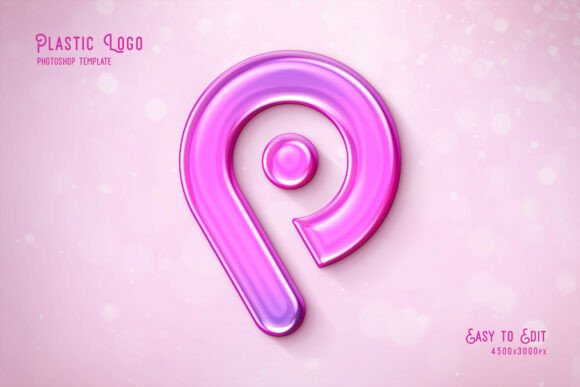
Evaluating the Pink Plastic Logo Effect for Modern Branding Projects
In the evolving landscape of digital design, visual trends often cycle back with renewed intensity, driven by nostalgia and a desire for tactile authenticity in an increasingly flat digital world. Among these recurring movements, the Pink Plastic Logo Effect has emerged as a distinctive aesthetic choice that bridges the gap between Y2K retro-futurism and contemporary "BarbieCore" pop culture. This specific design style is not merely a color palette; it is a sophisticated simulation of physical materiality—specifically molded plastic—that adds depth, gloss, and a playful yet premium feel to graphic assets.
For designers, brand managers, and content creators evaluating tools to enhance their visual identity, understanding the nuances of this effect is crucial. The Pink Plastic Logo Effect offers a unique solution for those seeking to create high-impact, three-dimensional typography and logos that stand out on social media feeds, packaging, and merchandise. However, like any specialized toolkit, it comes with specific use cases, technical requirements, and trade-offs that must be considered before integration into a broader design workflow.
Deconstructing the Aesthetic: What Makes It Distinct?
The core appeal of the Pink Plastic Logo Effect lies in its ability to simulate the physical properties of injection-molded plastic through digital means. Unlike standard drop shadows or simple gradients, this effect replicates the complex interplay of light on curved, semi-translucent surfaces. Key characteristics include smooth beveled edges that suggest volume, high-reflectivity specular highlights that mimic glossy finishes, and a signature translucent "jelly" depth that gives the impression of looking through the material.
This aesthetic is heavily rooted in early 2000s toy culture and modern internet aesthetics, making it particularly effective for brands targeting younger demographics or those leveraging nostalgia marketing. The result is a "tactile" visual experience; even though the asset is digital, the brain perceives it as something physical that could be held. This sensory illusion is what separates the Pink Plastic Logo Effect from generic 3D text generators, which often lack the refined edge lighting and material consistency required for professional branding.
Technical Composition and Workflow Integration
When evaluating the Pink Plastic Logo Effect, it is important to understand the technical infrastructure behind it. Typically delivered as a premium Photoshop (PSD) toolkit, this resource relies on layer styles, blending modes, and smart objects to achieve its final look. The inclusion of a PDF guide with font links and instructions suggests that the creator intends for users to have full control over the typography while maintaining the integrity of the plastic shader.
Key Technical Components:
- High-Quality PSD Template: Provides a non-destructive editing environment, allowing designers to swap text, adjust colors, and modify dimensions without losing the complex layer effects.
- Specular Highlight Mapping: Precise placement of white and light-pink layers to simulate light reflection on convex curves.
- Translucency Filters: Use of inner shadows and overlays to create the "jelly-like" internal glow characteristic of pink plastic toys.
- Bevel and Emboss Precision: Customized settings to ensure edges remain sharp and realistic, avoiding the blurry artifacts common in lower-quality presets.
For professionals accustomed to Adobe Creative Cloud workflows, this format is highly compatible. However, users relying on free alternatives like GIMP or Canva may find limited compatibility unless they are willing to manually recreate the layer styles, which can be time-consuming and technically challenging.
Strategic Applications and Best-Fit Scenarios
The versatility of the Pink Plastic Logo Effect allows it to span multiple industries, but its impact is most pronounced in sectors where playfulness, femininity, and trendiness are central to the brand narrative. Below are primary use cases where this aesthetic delivers maximum value:
Beauty and Fashion Branding
In the cosmetics and lifestyle sectors, the Pink Plastic Logo Effect aligns perfectly with current market trends. Cosmetic brands launching new lip glosses, nail polishes, or skincare lines often use this aesthetic to convey sweetness, softness, and modernity. For fashion labels aiming for a millennial-pink or BarbieCore vibe, the glossy finish elevates logo designs from basic to premium, suggesting a product that is both fun and high-quality.
Social Media Content Creation
Digital platforms thrive on immediate visual engagement. Instagram quotes, YouTube thumbnails, and TikTok graphics benefit significantly from the high contrast and depth provided by this effect. The glossy texture catches the eye in a crowded feed, increasing click-through rates and engagement metrics. Unlike flat text, the 3D nature of the Pink Plastic Logo Effect creates a focal point that guides the viewer’s attention directly to the message.
Apparel and Merchandise Design
When translating digital designs to physical products, such as stickers, phone cases, t-shirts, and tote bags, the simulated texture of the Pink Plastic Logo Effect translates well to print. For streetwear brands drawing inspiration from Y2K aesthetics, this effect provides a ready-made template for creating bold, retro-futuristic graphics that resonate with target audiences familiar with early 2000s pop culture.
Event and Confectionery Branding
From bachelorette party invitations to candy packaging, the playful nature of pink plastic evokes celebration and indulgence. Event planners and small business owners in the confectionery space can use this toolkit to create cohesive branding that feels custom-made and visually striking without requiring extensive graphic design skills.
Comparative Analysis: Alternatives and Trade-offs
While the Pink Plastic Logo Effect offers a specialized solution, it is one of many approaches to 3D typography. Understanding how it compares to other methods helps in making an informed decision.
vs. Standard Flat Design
Flat design remains popular for its minimalism and scalability. However, it lacks the emotional resonance and visual pop of textured 3D effects. The Pink Plastic Logo Effect is superior when the goal is to evoke emotion, nostalgia, or luxury through material simulation. If a brand seeks neutrality and simplicity, flat design is preferable; if it seeks personality and trendiness, the pink plastic aesthetic wins.
vs. Generic 3D Renderers
Software like Blender or Cinema 4D offers unlimited customization for 3D text. While these tools provide greater realism, they require significant learning curves and rendering time. The Pink Plastic Logo Effect serves as a streamlined alternative, offering a "good enough" level of realism for most marketing materials at a fraction of the time and cost. It is ideal for rapid turnaround projects where photorealistic precision is less critical than stylistic consistency.
vs. Other Nostalgia Trends
Trends like "Y2K Glitch," "Acid Graphics," or "Retro Pixel Art" share the same nostalgic roots but differ in execution. The Pink Plastic Logo Effect is distinct in its focus on smoothness, gloss, and organic shapes, whereas glitch art emphasizes distortion and pixelation. Brands should choose based on the specific mood they wish to convey: smooth and sweet versus chaotic and edgy.
Limitations and Considerations
No single tool fits every scenario. The Pink Plastic Logo Effect has inherent limitations that designers must acknowledge:
- Color Specificity: The aesthetic is heavily tied to shades of pink. While variations exist, deviating significantly from the pink spectrum may dilute the intended "plastic toy" association.
- Professional Context: In conservative industries such as finance, law, or healthcare, this playful aesthetic may undermine brand credibility. It is best suited for creative, consumer-facing, or youth-oriented markets.
- Scalability Issues: Complex layer styles in PSD files can sometimes lose clarity when scaled down to very small sizes, such as favicons or mobile app icons. Testing at various resolutions is essential.
- Dependency on Software: As a Photoshop-centric toolkit, it requires access to Adobe Creative Cloud. Users without subscriptions may face barriers to entry.
Decision Framework: Is This Right for You?
Selecting the Pink Plastic Logo Effect depends on your project goals, audience, and technical resources. Consider the following checklist:
- Target Audience: Are you speaking to Gen Z or Millennials who appreciate Y2K nostalgia? If yes, this effect is highly relevant.
- Brand Personality: Does your brand value playfulness, femininity, and trendiness? If your brand is serious and corporate, this may not be the right fit.
- Platform Priority: Will the design primarily live on social media or packaging? These mediums benefit most from the visual pop of glossy 3D effects.
- Technical Capability: Do you have access to Photoshop and the skill to manipulate layer styles? If not, you may need to seek simpler alternatives or hire a specialist.
Ultimately, the Pink Plastic Logo Effect is a powerful asset for designers looking to inject energy and texture into their work. By simulating the tangible qualities of molded plastic, it transforms flat logos into engaging, memorable experiences. When used strategically within appropriate contexts, it can elevate a brand’s visual identity, making it stand out in a saturated digital marketplace. However, success requires careful consideration of brand alignment and technical execution to ensure the aesthetic enhances rather than detracts from the overall message.