Dive into the Fun with Bubble Pop Wonky: A Playful 3D Alphabet Font for Creative Projects
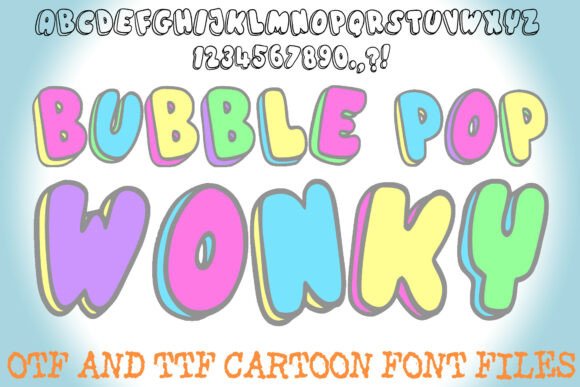
Bubble Pop Wonky is more than just a font—it’s a visual experience. Designed by Squeeb Creative, this vibrant and imaginative typeface brings a sense of joy and spontaneity to any project it touches. With its multi-layered 3D effect, hand-drawn charm, and playful structure, Bubble Pop Wonky stands out as a go-to choice for designers, educators, and creators looking to infuse their work with energy and creativity.
What Makes Bubble Pop Wonky Unique?
The name Bubble Pop Wonky hints at the essence of the font: lively, colorful, and delightfully imperfect. Each letter in this alphabet font has been carefully crafted to mimic the whimsical style of 3D cartoon characters. The letters appear as if they’ve been drawn by an enthusiastic child—bouncy, wonky, and full of personality. This intentional imperfection gives the font a warm and inviting feel, making it ideal for projects that aim to engage younger audiences or evoke nostalgia.
One of the most striking features of Bubble Pop Wonky is its depth. Unlike traditional fonts that sit flat on a page, this typeface has a layered 3D appearance that makes each character pop visually. It’s not just about aesthetics; the candy-like texture adds a tactile quality to the design, drawing the eye and sparking curiosity. Whether used in print or digital media, the font delivers a sense of movement and playfulness that’s hard to ignore.
Applications Across Industries
Due to its bold and cheerful nature, Bubble Pop Wonky finds a home in a variety of creative fields. For children's book covers, it offers a perfect blend of fun and clarity, helping titles stand out while remaining easy to read. Its hand-drawn appeal also works well in nursery prints, where soft curves and bright colors can create a cozy, imaginative environment.
Educational materials benefit from the font’s engaging look. When designing worksheets, flashcards, or interactive learning tools, using Bubble Pop Wonky can make content more appealing to young learners. Similarly, it’s an excellent option for party and birthday invitations, adding a festive flair that matches the celebratory tone of such events.
In the realm of branding, companies targeting children or families often seek something unique and memorable. Bubble Pop Wonky provides just that. Its bold presence and cartoony style help brands create identities that are instantly recognizable and emotionally resonant. From logos to packaging, the font helps convey a message of joy and creativity.
For digital art and graphic design enthusiasts, this font opens up new possibilities. The 3D effect allows for layering and animation, making it a favorite among those who want to add dynamic elements to websites, social media posts, or animated presentations. The OTF and TTF file formats included ensure compatibility across different platforms and software, giving users flexibility in how they apply the font.
Practical Benefits for Designers and Creators
Using Bubble Pop Wonky in your projects isn’t just about looking good—it’s about enhancing the overall experience. Here are some key advantages:
- Attention-Grabbing Visuals: The 3D effect and exaggerated forms make text more eye-catching, which is especially useful in crowded layouts or digital spaces where content needs to stand out quickly.
- Versatile Use: While it shines in children-oriented designs, the font can also be creatively adapted for adult audiences, particularly in marketing campaigns that require a lighthearted or whimsical approach.
- High Readability Despite Style: Despite its playful nature, the capital letters are designed with clear outlines and spacing, ensuring legibility even when used in large blocks of text.
- Compatibility and Flexibility: The availability of both OpenType (OTF) and TrueType (TTF) files means it can be used seamlessly in most design programs, including Adobe Illustrator, Photoshop, InDesign, and even Microsoft Office applications.
Another practical benefit is the ease of customization. Because the font is hand-drawn, it invites creative reinterpretation. Designers can experiment with color overlays, gradients, and shadow effects to match brand themes or project styles. This adaptability makes it a favorite among independent artists and small business owners who want to maintain a distinct visual identity without compromising on readability.
Real-World Examples of Bubble Pop Wonky in Action
To truly appreciate the versatility of Bubble Pop Wonky, let’s take a look at some real-world use cases:
- Children's Book Covers: Picture a book titled “The Wiggly Adventures of Bubbles.” Using Bubble Pop Wonky immediately sets the tone for a fun and adventurous story. The font complements illustrations and adds a sense of motion to static images.
- Branding for a Kids' Toy Store: A local toy shop named “Pop & Play” uses the font in their logo, signage, and promotional banners. The result is a cohesive, energetic brand image that appeals directly to parents and kids alike.
- Animated Social Media Posts: A YouTuber creating content for preschoolers uses the font in animated video intros. The bouncy letters move like bouncing balls, reinforcing the theme of play and exploration.
- Nursery Decor Prints: A boutique selling wall art for nurseries incorporates the font into phrases like “Dream Big” and “Tiny Explorer.” The font blends seamlessly with pastel backgrounds and playful illustrations, creating a dreamy yet lively space.
These examples illustrate how the font can be applied beyond just text—it becomes part of the visual language of the project itself.
Considerations Before Using Bubble Pop Wonky
While Bubble Pop Wonky is undeniably charming, there are some considerations to keep in mind before integrating it into your workflow:
- Context Matters: The font is best suited for informal or entertainment-related projects. Using it in professional documents, such as legal contracts or academic papers, may not align with the desired tone.
- Size Sensitivity: Due to its detailed and layered design, the font might not render clearly at smaller sizes. Test how it looks in different dimensions before finalizing a layout.
- Color Contrast: To highlight the 3D effect, consider pairing the font with light-colored backgrounds. Darker tones may mute the visual impact, but can still work if contrast is balanced correctly.
- Typographic Balance: Avoid overusing the font in long paragraphs. Instead, use it for headlines, titles, or short impactful phrases to maintain typographic harmony and readability.
Understanding these nuances ensures that you get the most out of Bubble Pop Wonky without letting its playful nature overshadow functionality. It’s all about finding the right balance between form and function.
Why Choose Bubble Pop Wonky Over Other Fonts?
In today’s competitive design landscape, standing out is essential. Many fonts offer uniqueness, but few manage to combine visual excitement with usability as effectively as Bubble Pop Wonky. Its 3D layers provide a tactile illusion that many flat-design fonts lack. Moreover, the hand-drawn style feels authentic and unpolished, which is a breath of fresh air compared to the rigid perfection of sans-serif or serif fonts.
When compared to other cartoon-style fonts, Bubble Pop Wonky holds its own through thoughtful design choices. For example, while some fonts may have too much detail or inconsistent spacing, Bubble Pop Wonky maintains a structured rhythm within its chaos. This consistency is crucial for readability and professional presentation, even in a playful format.
Integrating Bubble Pop Wonky into Your Workflow
If you’re ready to bring some fun into your next project, here’s how to start working with Bubble Pop Wonky:
- Download and Install: Obtain the OTF and TTF files from a trusted source or the designer’s official site. Once installed, the font will appear in your system’s font library, ready for use in any compatible software.
- Select the Right Tool: For maximum control, use vector-based design software like Adobe Illustrator. These programs allow for precise adjustments to size, color, and layering, enabling you to enhance the 3D effect further.
- Experiment with Styling: Don’t be afraid to customize the font. Try applying drop shadows, gradient fills, or even subtle animations to make your text come alive.
- Test for Legibility: Always test how the font looks in context. Print samples or preview digital versions at various screen sizes to ensure it remains readable and effective.
By following these steps, you’ll be able to harness the full potential of Bubble Pop Wonky while maintaining the integrity of your design.
Who Can Benefit Most from Bubble Pop Wonky?
This font is a must-have for several types of professionals and hobbyists:
- Graphic Designers: Especially those working in editorial, branding, or illustration fields. The font allows for quick creation of engaging visuals that resonate with target demographics.
- Illustrators and Digital Artists: The 3D and hand-drawn qualities complement animated or illustrated content, offering a seamless integration into multimedia projects.
- Teachers and Educators: Those who create educational resources for young learners will find the font invaluable in capturing attention and fostering engagement.
- Entrepreneurs and Small Business Owners: Brands aiming to connect with families or children can use the font to build a consistent and memorable identity across products and promotions.
- Parents and Event Planners: Creating birthday cards, party decorations, or custom t-shirts for kids becomes significantly easier and more enjoyable with this expressive font.
Each of these groups can leverage the font’s characteristics to meet specific goals, whether it’s increasing sales, improving classroom participation, or simply making a design more joyful.
Tips for Maximizing the Impact of Bubble Pop Wonky
To ensure your use of Bubble Pop Wonky is both effective and aesthetically pleasing, consider these tips:
- Use It Sparingly: While it’s tempting to use the font everywhere, limit it to key areas like headings or highlights. This keeps the design from feeling cluttered and maintains focus on important messages.
- Pick Complementary Fonts: Pair Bubble Pop Wonky with simpler, more structured fonts to balance the overall design. This contrast can guide the viewer’s eye and emphasize hierarchy.
- Play with Color Gradients: Since the font already has a candy-like texture, experimenting with soft gradients can enhance its 3D effect without overwhelming the design.
- Optimize for Accessibility: Ensure that the text remains accessible to all users by testing color contrast ratios and avoiding overly decorative treatments that could hinder readability.
These strategies help you make the most of Bubble Pop Wonky while keeping your projects functional and inclusive.
Conclusion
Bubble Pop Wonky is a standout addition to any designer’s toolkit. Its combination of a hand-drawn style, 3D depth, and playful energy makes it suitable for a wide range of creative applications—from children's books to branding materials and everything in between. By understanding its strengths and limitations, you can integrate it into your projects in ways that enhance both visual appeal and user engagement.