Designing with Kraft Paper Dog Paw Pattern: A Comprehensive Guide to Texture, Depth, and Utility
In the realm of graphic design, print production, and digital content creation, the intersection of organic textures and playful motifs has become a dominant trend. Among these combinations, the Kraft Paper Dog Paw Pattern stands out as a versatile and emotionally resonant asset. This specific design element merges the rustic, earthy appeal of recycled kraft material with the universal symbol of canine companionship—the paw print. When executed with high-fidelity details such as 3D rendering, shadow effects, and precise resolution specifications like 3600 x 3600 pixels at 300 DPI, this pattern transcends simple decoration. It becomes a foundational tool for brands, educators, and hobbyists seeking to convey warmth, authenticity, and professionalism.
The following analysis explores the technical specifications, aesthetic advantages, and diverse applications of this unique visual asset. By understanding the nuances of working with textured backgrounds and embossed-style graphics, creators can leverage the Kraft Paper Dog Paw Pattern to produce materials that are not only visually striking but also commercially viable across multiple industries.
The Anatomy of the Design: Texture, Depth, and Resolution
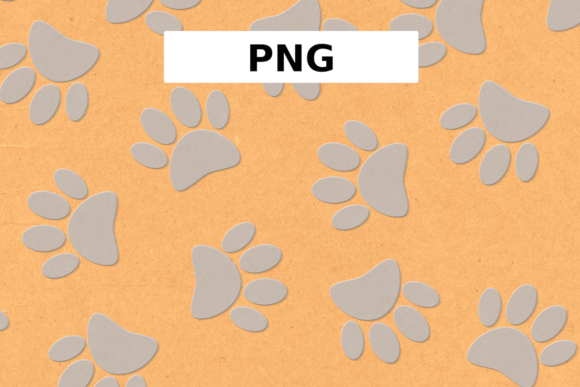
To appreciate the utility of this pattern, one must first understand its construction. The visual impact relies heavily on the interplay between two distinct elements: the background substrate and the foreground motif. The background is characterized by the texture of kraft paper, which provides a tactile sense of realism. In digital terms, this is achieved through high-resolution imaging that captures the fibrous grain, subtle color variations, and slight imperfections inherent in brown packaging paper. This texture evokes feelings of sustainability, nostalgia, and natural simplicity.
Superimposed on this organic canvas are the dog paw prints. Unlike flat vector icons, these prints are designed with 3D and shadow effects. This technique simulates depth, making the paw prints appear either pressed into the paper or slightly raised from the surface. The inclusion of shadows is critical; it grounds the graphic elements, preventing them from looking pasted-on and instead integrating them seamlessly into the environment. This level of detail ensures that when the image is scaled or printed, the illusion of physical texture remains intact.
From a technical standpoint, the specification of a PNG file with 3600 x 3600 px dimensions at 12 x 12 inches at 300 DPI is paramount for professional use. The PNG format supports transparency (alpha channels), allowing designers to overlay the pattern onto other designs without worrying about square bounding boxes or white backgrounds disrupting the composition. Furthermore, the 300 DPI (dots per inch) standard is the industry benchmark for high-quality printing. At 12 x 12 inches, this resolution ensures that whether the pattern is used for a small greeting card or a large-format poster, the edges remain crisp, and the texture details do not pixelate or blur.
Aesthetic Advantages and Psychological Impact
Design is not merely about aesthetics; it is about communication. The choice of a Kraft Paper Dog Paw Pattern carries specific psychological weight. Brown tones associated with kraft paper are often linked to eco-friendliness, reliability, and comfort. They are neutral enough to serve as a backdrop for vibrant colors yet warm enough to stand alone. When combined with the imagery of dog paws, the design taps into the deep emotional bond humans share with their pets. This combination creates an immediate sense of approachability and trust.
The 3D effect adds a layer of sophistication. Flat designs can sometimes feel cheap or temporary, whereas textures imply quality and care. For businesses, particularly those in the pet industry, using a pattern that mimics physical materials suggests a hands-on, artisanal approach. It signals that the brand values craftsmanship and attention to detail. Moreover, the repetition of the paw print creates a rhythm that is pleasing to the eye, guiding the viewer’s gaze across the page or screen without causing visual fatigue.
Additionally, the versatility of the color palette allows for extensive customization. While the default is often a rich, warm brown, the kraft texture can be lightened to resemble parchment or darkened to suggest aged leather. This flexibility means the same underlying pattern can be adapted for different moods—from the cheerful energy of a puppy training manual to the solemn elegance of a memorial service program.
Practical Applications Across Industries
The utility of this high-resolution pattern extends far beyond simple wallpaper. Its adaptability makes it suitable for a wide array of professional and personal projects. Below are key areas where the Kraft Paper Dog Paw Pattern excels.
Book Covers and Publishing
For authors writing about pet care, dog training, or fictional stories featuring canine protagonists, this pattern offers an instant thematic hook. On a book cover, the 3D shadow effects of the paw prints can catch the light, adding a tactile dimension that invites readers to pick up the physical copy. Educators and researchers may also utilize this pattern for worksheets or educational materials aimed at children, where the engaging visual style helps maintain interest while teaching concepts related to biology, responsibility, or empathy.
Stationery and Greeting Cards
The stationery market thrives on personalization and emotion. A Kraft Paper Dog Paw Pattern is ideal for creating bespoke letterheads, thank-you notes, and holiday cards. The texture of the kraft paper background complements handwritten fonts beautifully, enhancing the feeling of a personal touch. For businesses, customizing envelopes or notepads with this pattern reinforces brand identity in a subtle yet memorable way. The 12x12 inch size allows for easy cropping to fit various card sizes while maintaining high fidelity.
Home Decor and Interior Design
In the realm of home decor, this pattern is frequently used for wall murals, framed art prints, and fabric designs for cushions or throw blankets. The rustic charm of the kraft texture pairs well with farmhouse, cottagecore, and modern minimalist interior styles. Because the pattern is repetitive and balanced, it works well as a border or a full-wall feature. The 3D aspect adds visual interest to what might otherwise be a static surface, making rooms feel more dynamic and lived-in.
Product Packaging and Branding
Business owners in the pet supply sector—such as boutique dog treat makers, toy manufacturers, or grooming services—can integrate this pattern into their packaging strategy. Using a kraft paper-inspired design aligns with consumer trends toward sustainable and eco-conscious products. The paw prints serve as a clear indicator of the product’s target audience, while the high-resolution print quality ensures the brand looks premium rather than generic. Whether applied to cardboard boxes, gift tags, or shopping bags, the pattern elevates the unboxing experience.
Digital Media and Web Design
Beyond print, the PNG format makes this asset invaluable for digital creators. Website headers, blog post backgrounds, social media banners, and email newsletters can all benefit from the visual warmth of this pattern. The transparent background allows web developers to layer the pattern over solid colors or gradient backgrounds, creating depth without cluttering the interface. For online courses or e-books, consistent use of this pattern helps establish a cohesive visual identity throughout the digital learning environment.
Implementation Considerations for Creators
While the Kraft Paper Dog Paw Pattern is a powerful tool, successful implementation requires careful consideration of context and contrast. Designers must ensure that text placed over the pattern remains legible. The texture of the kraft paper can sometimes compete with fine typography. To mitigate this, it is advisable to place text within solid-colored boxes or use drop shadows on the text itself to separate it from the busy background.
Color harmony is another crucial factor. Since kraft paper is inherently brown, it pairs well with earth tones like olive green, mustard yellow, and deep red. However, it can also provide a neutral stage for bright, primary colors if the goal is to create a playful, child-friendly aesthetic. When using the 3D paw prints, ensure that the lighting direction in your overall design matches the shadows in the pattern. Inconsistencies in lighting can break the illusion of realism and make the design look disjointed.
Furthermore, file management is essential. Given the high resolution of 3600 x 3600 pixels, the file size will be substantial. Designers should optimize their workflows to handle large images efficiently, perhaps by keeping the master file archived and working with smaller preview versions during the layout phase. Always retain the original PNG to preserve the transparency and sharpness required for final output.
Trends and Future Relevance
The demand for authentic, textured designs is likely to grow as digital saturation increases. Consumers are becoming more discerning, seeking out materials and visuals that evoke genuine human connection and sensory experiences. The Kraft Paper Dog Paw Pattern sits at the forefront of this movement by combining digital precision with analog nostalgia. As remote work and homeschooling continue to shape our environments, the need for comforting, familiar imagery in both physical and digital spaces will persist.
Moreover, the sustainability narrative continues to strengthen. Kraft paper is universally recognized as a recyclable and biodegradable material. By incorporating this visual cue into branding and design, companies can subtly communicate their commitment to environmental responsibility without needing explicit slogans. This alignment of aesthetic and ethical values is a powerful driver in modern consumer behavior.
Conclusion
The Kraft Paper Dog Paw Pattern is more than just a decorative element; it is a multifaceted design asset that bridges the gap between functionality and emotion. With its high-resolution specifications, realistic 3D effects, and versatile application range, it serves professionals, consumers, and creators alike. Whether used to enhance a book cover, decorate a living space, or reinforce a brand’s identity, this pattern delivers a message of warmth, quality, and care. By understanding its technical attributes and strategic uses, designers can harness its full potential to create compelling, enduring visual experiences.