Abstract Brown Watercolor Backgrounds: A Strategic Asset for Brand Depth and Visual Storytelling
In an era where visual communication dictates the success of digital and physical marketing materials, the choice of background texture is rarely merely aesthetic. It is a strategic decision that influences perception, trust, and engagement. Abstract Brown Watercolor Backgrounds offer more than just a decorative element; they provide a sophisticated foundation that communicates warmth, authenticity, and organic quality. For entrepreneurs, designers, and brand strategists, understanding how to leverage these textures can significantly enhance the perceived value of their projects.
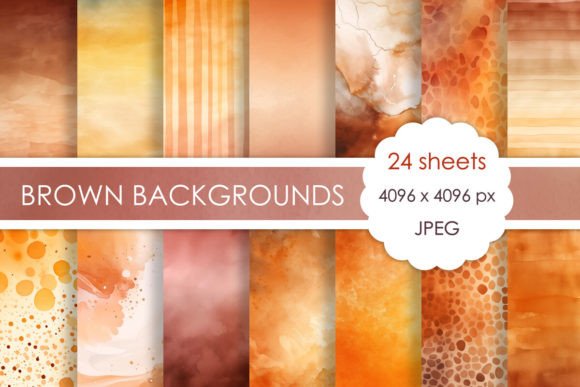
The collection described—comprising 24 high-resolution JPEG files featuring diverse earthy tones, marbled swirls, subtle stripes, and lively splashes—is designed to infuse projects with a natural aesthetic. However, the true value lies in applying these assets intentionally. This guide explores how to integrate Abstract Brown Watercolor Backgrounds into your workflow to support branding goals, improve user experience, and achieve better creative outcomes.
The Psychology of Earthy Tones in Design
Before diving into technical specifications, it is crucial to understand why brown watercolor backgrounds resonate with audiences. Color psychology plays a pivotal role in consumer behavior. Brown is often associated with reliability, stability, and comfort. Unlike stark whites or aggressive reds, earthy tones ground the viewer, creating a sense of calm and approachability.
When combined with the fluid, unpredictable nature of watercolor, these backgrounds evoke a sense of handcrafted authenticity. In a digital landscape saturated with polished, vector-based perfection, the organic imperfections of watercolor stand out. They signal that there is a human touch behind the product or service. For brands positioning themselves as artisanal, eco-friendly, or heritage-focused, Abstract Brown Watercolor Backgrounds serve as a visual shorthand for these values.
Building Trust Through Texture
Texture adds depth to flat designs. When used strategically, it guides the eye and creates hierarchy. A subtle marble pattern might serve as a neutral backdrop for text-heavy content, ensuring readability while adding visual interest. Conversely, a bold splash or stripe can be used to draw attention to calls-to-action (CTAs) or key headlines. The diversity within the 24-file collection allows for this nuanced application:
- Subtle Stripes and Dots: Ideal for corporate presentations or educational materials where clarity is paramount but monotony must be avoided.
- Marbled Swirls: Perfect for luxury branding, spa services, or culinary arts, where elegance and flow are desired.
- Lively Splashes: Best suited for creative portfolios, event invitations, or social media graphics that need to convey energy and spontaneity.
Technical Advantages for Professional Workflows
For professionals managing large-scale projects, efficiency and quality control are non-negotiable. The specific features of this Abstract Brown Watercolor Backgrounds collection address common pain points in digital asset management and design execution.
High-Resolution Versatility
Each file in the collection boasts a resolution of 4096 x 4096 pixels. This dimension is not arbitrary; it ensures crisp reproduction across various mediums. Whether you are printing a large-format banner for a trade show or displaying a thumbnail on a mobile device, the high pixel density prevents blurring or pixelation. This scalability reduces the need to source multiple versions of the same texture for different use cases, streamlining your production pipeline.
Immediate Accessibility and Integration
The format of these assets—24 JPEG files ready for immediate download—minimizes friction in the creative process. JPEG is a universally compatible format, making it easy to import into Adobe Photoshop, Illustrator, Canva, Figma, or any other design software without conversion issues. For freelancers and small business owners working under tight deadlines, the ability to instantly access high-quality textures means less time spent searching for resources and more time focused on strategy and execution.
Strategic Applications Across Industries
The versatility of Abstract Brown Watercolor Backgrounds extends far beyond simple decoration. By aligning these textures with specific business objectives, you can create cohesive brand experiences that drive results.
Branding and Identity
Consistency is key to brand recognition. Using a curated set of brown watercolor textures across your logo, website headers, business cards, and packaging creates a unified visual language. For example, a coffee roastery might use a rich, dark marble texture for its packaging to suggest depth and complexity, while using a lighter, striped texture for its online store to maintain a clean, navigable interface. This strategic repetition reinforces brand identity every time a customer interacts with the business.
Digital Marketing and Content Creation
In content marketing, visuals stop the scroll. Bloggers and publishers can use these backgrounds as featured images or section dividers to break up text and maintain reader engagement. Marketers can overlay these textures on promotional graphics to add sophistication. For instance, a webinar invitation could use a soft, dotted pattern to feel inviting and professional, whereas a limited-time sale announcement might benefit from a dynamic splash to convey urgency and excitement.
Educational and Corporate Materials
Educators and corporate trainers often struggle with dry, uninspiring presentation slides. Integrating abstract brown watercolor backgrounds can transform standard PowerPoint or Keynote decks into visually compelling narratives. A textured background can make complex data easier to digest by providing a calming visual anchor. Furthermore, for internal communications, these warm hues can foster a sense of community and approachability, aiding in employee engagement.
Decision-Making: When and How to Use These Assets
To maximize the impact of Abstract Brown Watercolor Backgrounds, decisions about their use should be guided by clear goals rather than random selection. Here are practical considerations for integrating these textures effectively.
Contextual Relevance
Always ask: Does this texture support the message? If you are designing for a tech startup focused on speed and precision, a chaotic watercolor splash might contradict your brand promise. However, if you are promoting a wellness retreat or a handmade jewelry line, the organic flow of watercolor aligns perfectly with the narrative of relaxation and craftsmanship. Ensure the texture complements, rather than competes with, your primary content.
Contrast and Readability
One of the most common mistakes in design is poor contrast between text and background. While Abstract Brown Watercolor Backgrounds are beautiful, their varying intensities require careful handling. Always test legibility. Use semi-transparent overlays, drop shadows, or solid color blocks behind text to ensure accessibility. Darker brown textures may require white or light beige text, while lighter, washed-out patterns can accommodate darker typography. Prioritize user experience by ensuring your message is always readable.
Brand Alignment
Consider your existing color palette. Brown is a neutral tone, which makes it highly adaptable. It pairs well with greens (nature), blues (trust), and golds (luxury). Evaluate how the specific hues in the 24-file collection complement your brand colors. Consistency in color theory strengthens brand recall. If your brand uses vibrant accents, let the brown background act as a canvas that allows those accents to pop, rather than overwhelming them.
Risks and Mitigation Strategies
Even the best tools can yield poor results if misused. Relying on Abstract Brown Watercolor Backgrounds without a strategic plan can lead to several pitfalls.
- Visual Clutter: Overusing busy textures like splashes or heavy marbling can distract from your core message. Mitigate this by reserving complex textures for secondary elements and using simpler patterns for main backgrounds.
- Inconsistency: Mixing too many different textures from the collection in a single project can look disjointed. Stick to a limited subset of the 24 files that share similar tonal qualities to maintain cohesion.
- Professionalism Erosion: In certain formal contexts, such as legal documents or financial reports, watercolor textures may appear too casual. Assess the formality of your audience before applying these assets.
Long-Term Value and Creative Growth
Investing in a high-quality asset library like the Abstract Brown Watercolor Backgrounds Collection is an investment in long-term creative efficiency. Having a reliable source of premium textures reduces the cognitive load of finding new resources for every project. It allows creators to focus on strategy, storytelling, and innovation.
Moreover, as trends shift towards authentic, human-centric design, the demand for organic textures will likely grow. By familiarizing yourself with how to use these backgrounds effectively now, you position yourself ahead of the curve. You develop a repertoire of techniques for blending texture with typography, layering effects, and maintaining brand integrity across diverse media.
Final Thoughts on Intentional Design
The difference between a good design and a great one often lies in the details. Abstract Brown Watercolor Backgrounds provide those details—the subtle grain, the gentle bleed of pigment, the warmth of earth tones. But these details only shine when applied with intention. By understanding the psychological impact of color, leveraging the technical benefits of high-resolution assets, and adhering to strategic guidelines for context and contrast, you can transform these backgrounds from mere decorations into powerful tools for communication.
Whether you are a solo entrepreneur crafting your first brand identity or a seasoned marketer launching a multi-channel campaign, these textures offer a pathway to deeper connection with your audience. Use them wisely, use them consistently, and let them help tell your story with clarity and warmth.